1- Ngôi trường công nghiệp: Nhu cầu gia tăng về các quy trình sấy khô được kiểm soát
Ở Đông Nam Á, các ngành công nghiệp như dược phẩm, chế biến thực phẩm và hóa chất tinh tế đang chuyển sangsản xuất đa sản phẩm và sản xuất tiêu chuẩnTrong xu hướng này, việc sấy khô bột và hạt đã trở thành một bước quan trọng ảnh hưởng đến sự nhất quán của sản phẩm.
Các hệ thống sấy khô truyền thống thường gặp những thách thức như:khô không đồng đều, quá nóng tại chỗ và rò rỉ bụiĐiều này đã thúc đẩy việc áp dụng các công nghệ có khả năng duy trì điều kiện sấy ổn định và được kiểm soát.
2Những thách thức chính trong việc sấy khô bột và hạt
2.1 Hiệu suất sấy không đồng đều
Phân phối không khí không đồng đều có thể tạo ra các vùng chết, dẫn đến hàm lượng độ ẩm không nhất quán trong hạt.
2.2 Nguy cơ rò rỉ bụi và ô nhiễm
Việc niêm phong không đủ trong các hệ thống thông thường có thể gây ra sự thoát bột và làm tăng nguy cơ nhiễm trùng chéo.
2.3 Sự tụ tụ của vật liệu ẩm
Chuyển động vật liệu kém trong quá trình sấy khô có thể dẫn đến tập hợp hạt, ảnh hưởng đến chất lượng sản phẩm cuối cùng.
2.4 Các vấn đề liên tục về quy mô mở rộng
Sự khác biệt trong lưu lượng không khí và chuyển nhiệt trong quá trình mở rộng có thể dẫn đến hiệu suất lô không ổn định.
3Phương pháp kỹ thuật: Cơ chế sấy giường bằng chất lỏng
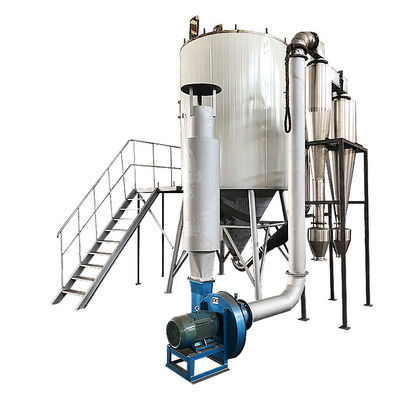
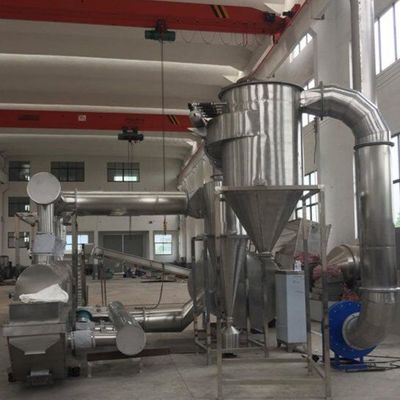
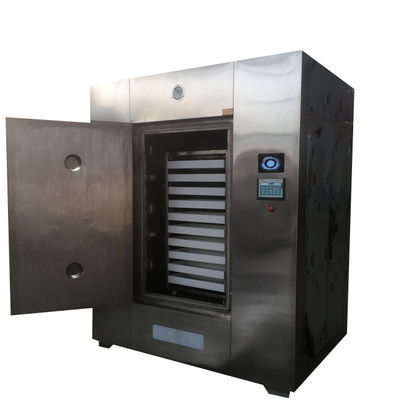
Máy sấy giường chất lỏng tạo ra mộttrạng thái lưu thông ổn địnhbằng cách đưa không khí sưởi ấm từ phía dưới, cho phép chuyển nhiệt và khối lượng hiệu quả.
Các tính năng kỹ thuật chính
- Phân phối luồng không khí đồng nhất để tránh các vùng chết
- Hoạt động áp suất âm để giảm rò rỉ bụi
- Hệ thống lọc chống tĩnh cho sản xuất sạch
- Thời gian sấy khô có thể kiểm soát được (thường là 15-30 phút tùy thuộc vào vật liệu)
Các tính năng này hỗ trợ hiệu suất sấy ổn định trên các vật liệu khác nhau.
4Ứng dụng điển hình ở Đông Nam Á
4.1 Công nghiệp dược phẩm
Sử dụng để sấy khô hạt ướt trước khi dùng thuốc, đảm bảo mức độ ẩm nhất quán.
4.2 Ngành công nghiệp thực phẩm
Sử dụng trong các chất phụ gia sấy khô và bột chức năng nơi kiểm soát nhiệt độ là rất quan trọng.
4.3 Ngành công nghiệp hóa học
Thích hợp cho bột mịn và vật liệu tinh thể đòi hỏi điều kiện sấy đồng nhất.
5Hướng dẫn lựa chọn: Khớp thiết bị với nhu cầu xử lý
5.1 Phạm vi lưu lượng không khí và áp suất
Khối lượng không khí (khoảng 2361 ~ 15000 m3/h) và áp suất (khoảng 533 ~ 1200 mmH2O) xác định sự ổn định của chất lỏng.
5.2 Khả năng lô
Một phạm vi 60-1000 kg mỗi lô hỗ trợ mở rộng từ thí điểm đến sản xuất.
5.3 Kiểm soát thời gian sấy
Một cửa sổ sấy có thể kiểm soát được (15-30 phút) giúp tiêu chuẩn hóa sản xuất.
5.4 Hệ thống niêm phong và lọc
Quan trọng để đáp ứng các yêu cầu GMP và kiểm soát ô nhiễm.
6Kết luận: Từ thiết bị đến tích hợp quy trình
Khi các ngành công nghiệp Đông Nam Á chuyển sang các tiêu chuẩn cao hơn, thiết bị sấy ngày càng được coi là mộtnút quá trình chính thay vì máy độc lập.
Máy sấy giường chất lỏng, với lợi thế của chúng trong kiểm soát luồng không khí, hiệu quả truyền nhiệt và niêm phong hệ thống, đang trở thành giải pháp ưa thích trên nhiều ngành công nghiệp.Khớp các thông số thích hợp với điều kiện hoạt động thực tế vẫn rất quan trọng để đạt được kết quả sản xuất ổn định.